My Comprehensive Hydroponic Lighting Guide
by Kevin
Find out why hydroponic grow lights are so important for plants and how you can improve your soilless system with their help with my hydroponic lighting guide.
The Only Hydroponic Lighting Guide You NEED!
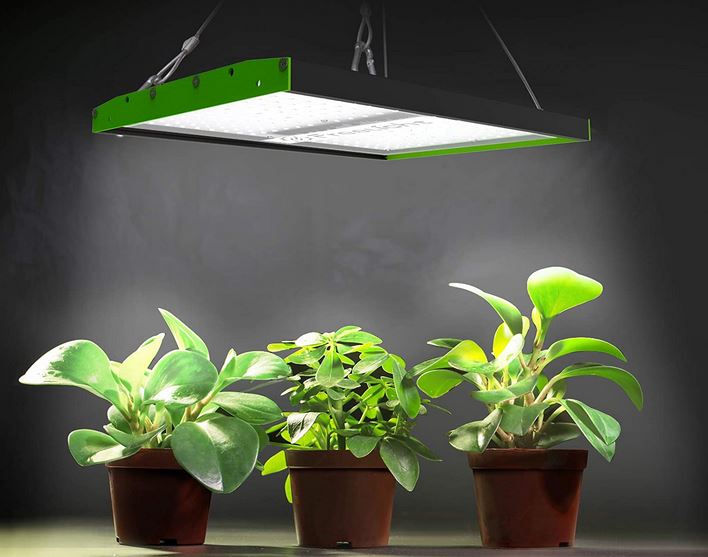
Technology has come a long way since the Babylonians first used hydroponic systems to create their famous Hanging Gardens and now we're not simply content to growing vegetables and fruit in a controlled, soil-less environment, we want to get the best out of them too!
There are a lot of factors that influence the growth of a plant, factors such as temperature, pH levels, humidity and lighting. What we have over the Babylonians, is, again, technology.
We can now simulate all these factors artificially with thermostats, hydroponic grow lights, aeroponic systems and nutrient solutions and not only that, but we can create the perfect conditions for a plant to grow in, not just sufficient ones.
All the above mentioned factors have their fair share in feeding the plant growing energy and light handles their photoperiod and photosynthesis.
But with hydroponics being often used to grow plants indoors, natural light might reach them harder, or simply be insufficient (just because you can see where you're walking in your house doesn't mean the plant also has enough light to produce photosynthesis). In this case, using hydroponic grow lights is a must.
Take into consideration that a plant grown in the open has a day-night cycle and it's in the light during the entire day. Indoors, furniture, windows and other similar household objects might block a good chunk of the incoming light, even if it's sunny outside.
So the plant you're growing using a hydroponic system will know that it's in its day part of the cycle and should be receiving light, but it's not getting the right amount of it, so its growth will be hindered. This is where hydroponic grow lights prove their worth.
Hydroponic grow lights range from small neons that can be used with home-based do it yourself hydroponic systems, to larger "studio" lights that can be used in wide greenhouses.
Led lights are usually common with smaller installations, but that doesn't mean they can't be applied in a greenhouse. Led hydroponic grow lights are considered by many specialists as being a much better lighting source than normal bulb-based systems, because they simulate natural light better.
But if you're growing a larger area of plants in a greenhouse, led hydroponic grow lights aren't the cheapest and most efficient of solutions.
Instead, you'll be able to find many rail-based umbrella lights that can be programmed to travel back and forth through the greenhouse, shining extra light on each of your plants. These hydroponic grow lights use a normal light bulb and an umbrella similar to that used in movies to create artificial lighting.
As you can see, there are a lot of choices, but if you're still unsure of what to choose, read this article on how to choose the right light system.
In conclusion, I want to emphasize on the fact that lighting can make a huge difference in the growth of a plant. Many inexperienced hydroponic newcomers tend to see light as a secondary factor for plants.
They create the right temperature, humidity and nutrition levels that a plant needs, but if you don't offer sufficient lights and they end up scratching their head, unsure of why their hydroponic strawberries are half the size they expected.
Types of Hydroponic Lighting
Check out the various types of hydroponic lighting systems out there and take a look at their pros and cons.
Deciding what type of hydroponic lighting to buy for your greenhouse isn't the easiest of choices. You'll have to think about the amount of artificial light the plant you are growing needs, the area the light covers, a programmable on/off schedule and much much more.
Some plants require more light than others, so it's only natural that they need stronger sources. If you're growing plants in a glass greenhouse and still get some natural sunlight inside, you will have to decide how much your plants are missing, without spending too much cash.
Each of these needs can be covered by the various types of hydroponic lighting systems on the market.
Spotlight Lamps
Types of Hydroponic Lighting - Spotlight Lamps
Spotlight lamps are not only the most common, but also the cheapest hydroponic lighting solution. Their size and power may vary, but they use a very simple lighting solution, with a normal lamp bulb shining artificial light. Spotlight lamps are a good choice for home-based do it yourself hydroponic systems, but their size makes them less efficient in close quarters.
Led Grow Lights
Types of Hydroponic Lighting - Led Grow Lights
Led grow lights are usually room efficient, being slim neons that can fit virtually everywhere. You can either place them on top of the hydroponic system, or on the sides and many can be easily attached and detached from the spot, in case you notice you didn't handle your lighting like you should have.
Using two LEDs, one red and one blue, these grow lights simulate natural light better than normal lamps.
Another advantage is that they can operate for longer periods of times in high temperatures, which is problematic with normal lamps. And of course, neons have the highest ornamental value amongst hydroponic lighting solutions, being able to "tune up" even a less attractive system that you own.
Metal Halide
Types of Hydroponic Lighting - Metal Halide
Some of the newest hydroponic lighting lamps on the market will give you the ability to switch the type of light you're feeding to your plants, from metal halide to high pressure sodium and vice versa.
Metal halide hydroponic light lamps are the closest you can get to natural properties, since they generate the whitest high intensity light. The biggest advantage of metal halide lighting is that they simulate temperature and light conditions that encourages the plants' photosynthesis and photoperiod, making them one of the best hydroponic grow light solutions out there.
You can also use MH light to grow weed in a hydroponic system and only a small, cheap fixture is needed.
High Pressure Sodium
Types of Hydroponic Lighting - High Pressure Sodium
When sodium is in an excited state, it produces light and this whole principle stands under the high pressure sodium lamp. When first lit, these lamps will glow pink, but after the sodium starts to move around and as it is combined with mercury, the light will switch to a warm orange.
Light color is important to some plants, which prefer more intense colors to the white or bluish lights offered by other hydroponic lighting sources.
Rail Lights
Types of Hydroponic Lighting - Rail Lights
If you have a larger greenhouse and you don't have the money or the space to get individual lamps for each cluster of plants, then a rail light is your best bet.
Basically, you'll have to install a rail on your greenhouse ceiling or sides and the hydroponic lighting lamp will move along this rail, back and forth, giving each plant its fair share of time in the spotlight. This way you can get a whole greenhouse lit with just a few lamps and you won't need to spend thousands of dollars on individual ones.
Although these are the main types of hydroponic lights you'll probably think about using, there are several variations and less popular models that could work just as well. And if you're having doubts about what you should buy, check out these recommended hydroponic light products.
How to Choose the Right Hydroponic Light System
Find out what to look for in a Hydroponic Light System, and learn the pros and cons of each choice for your setup. Not sure what's best - we'll try to help you decide!
Choosing a hydroponic light system might seem easy enough at first glance, but any experienced plant lover and gardener will know that's not really the case. There are quite a few factors that can make the difference between an awful and a quality light system and if you have the pockets to cover the expenses, you should always try to get the solution that satisfies most, if not all of the following requirements.
Luminosity
Hydroponic Light Systems - Luminosity
When you buy a room light, or a lamp, you simply judge its quality by the luminosity it can shine with. After all, the higher the luminosity, the better you will be able to see your way around the house.
With hydroponic light systems however, things are a little different. Plants don't necessarily need a lot of light, because they can't "see". They use the light for completely different purposes, such as photosynthesis. So don't simply be fooled by the power output of a hydroponic light, there are other factors that need to be considered as well.
Area
Hydroponic Light Systems - Area
Closely tied to the above factor, the amount of area that you can cover can be either given by the lamp itself, or by some auxiliary means, such as placing the light in a reflective container, to cover more area with the same light source.
Again, more powerful lamps such as high intensity discharge ones are better suited for covering larger areas.
Survivability
Hydroponic Light Systems - Survivability
The greenhouse is a tough place to live in and operate for a hydroponic light system. High temperatures, high humidity and all sorts of bugs and pests can make the lamp's job a lot harder and cause it to breakdown or not function to its full capacity over time.
That's why you need to choose a hydroponic light system that has good protection against all these problems and one that can withstand a fair share of beating from them.
Overlooking this aspect has caused some severe problems in the past and there's no guarantee it couldn't happen to you. There are dozens of ways your poorly wired, unprotected hydroponics light system can go down and a short circuit, or a high pressure sodium lamp exploding in your greenhouse will endanger not only your plants, but possibly your life and that of those around you!
Light Spectrum
Hydroponic Light System - Light Spectrum
Sunlight is a combination of various temperature colors, so plants are used to naturally getting different light spectrums to grow. Most hydroponic lights try to copy these spectrums and color temperatures.
For example, mercury-base lamps will glow blueish, simulating a cloudy afternoon or a starry night, high pressure sodium (HPS) will glow orange simulating sunrise and dusk and metal halide lamps can simulate intense afternoon sunlight with their pure white.
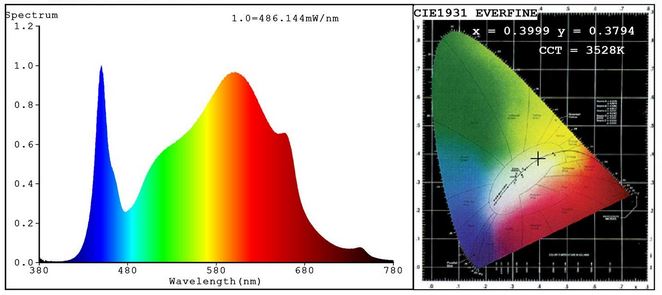
Depending on the plant's photocycle and the type of light it's used to getting in its natural environment, some of these light spectrums might produce better results than others.
Furthermore, blue light is used to feed off the plant and its components, while red light is a stimulus for it to grow higher and wider. Some plants use other colors from the spectrum, but at a lower extent (orange, pink and green).
So you'll probably want your hydro farm hydroponics grow light system to have a good balance between red and blue light during the plant's growth process.
Hydroponic led lights work great towards this, but you could also use a HID system with interchangeable metal halide (blue light) and high pressure sodium (red light) lamps.
If you're unsure what hydroponic light system would be better suited for your plants, try out a few different lamps and color temperatures to actually test how your plants react to them.
Obviously, these aren't the only factors you'll want to take into consideration when choosing a hydroponics light system, but these three should be on top of your priority list.
Sometimes and with some plants, you could just pull it off by lighting your hydroponic gardening system randomly and with the first lamps that fall in your hand.
However, if you want to offer your plants the best artificial conditions (ones that will often surpass the lighting conditions offered by nature), then being picky about your hydroponics light system is the way to go.
How to Keep Your Hydroponic Grow Lights Safe
Never let your guard down when it comes to hydroponic grow lights, since they are the cause of numerous greenhouse accidents. Find out how to keep your greenhouse, your plants and yourself safe, with the help of a few easy tips.
Safety is one of the biggest issues regarding hydroponic grow lights systems, since they need to work heavy hours in tough environments, which often causes problems that range from minor mishaps like a burnt lamp, to serious issues such as devastating fires.
Now, if you've worked in hydroponics a long time, there's probably a good chance that one of this problems occurred in your greenhouse or your home (hopefully not the serious ones), because they are very hard to avoid.
However, with a couple of practical tips that I plan on giving you, you can reduce the frequency of hydroponic grow light accidents to a minimum.
Temporary Accessories
Keep Your Hydroponic Grow Lights Safe - Temporary Accessories
Strangely enough, even gardeners that buy the best quality (thus safest) hydroponic grow lights, still experience a high rate of issues regarding them. But the truth is that the lights themselves are probably just fine.
In a larger greenhouse though, you'll have to use a large array of accessories, such as extension cords, rails, power switches and so forth and it's these that cause most of the trouble, because they're not built with such intensity in mind.
The most common trouble makers are extension cords which can cause fires if used incorrectly, or if they wear out. That's why it makes sense to replace the extension cords in your greenhouse on a regular basis, if you want to avoid all risks.
Power Generators
Keep Your Hydroponic Grow Lights Safe - Power Generators
Most plants require around 14-16 hours of light per day, which means your hydroponic grow lights will be working full time to keep them happy. In a larger greenhouse, the intensity of power used as well as worn out equipment can easily cause power outages, which can easily ruin an entire crop, if left unattended.
But it's not always easy to keep 24/7 watch on your greenhouse or homemade hydroponics system, so it's best if you have a backup power generator ready at all times. You can read more about standby and portable power generators here.
Positioning
Keep Your Hydroponic Grow Lights Safe - Positioning
High intensity discharge lights such as metal halide or high pressure sodium ones operate on extremely high temperatures, which makes them very vulnerable to any form of moisture. For example, a metal halide bulb can operate at temperatures of over 1800F, so you can imagine the effect of getting it wet, with all that pressure pushing outwards from the bulb.
If a HID bulb explosion occurs, fire can spread out quickly and there's little you will be able to do about it if you're not lucky enough to act immediately.
That's why it's best to think ahead and prevent such fires by controlling the humidity level in your greenhouse or homemade hydroponics gardening system. If you want to find out more about hydroponic grow light general safety and the safety precautions regarding high intensity discharge lights.
You should also be wary of placing any easily flammable materials in the vicinity of your hydroponics grow lights, especially if you're using high-temperature HIDs. Remember, these lights don't simply shine powerfully, they also exhaust a lot of heat and if that heat starts reacting with something flammable, you'll be eating fried lettuce next winter.
Keep Your Hydroponic Grow Lights Safe - Humidity Protection
As you probably noticed, for most of the above conditions, high intensity discharge lamps were favorites. They are indeed a great lighting choice (although expensive and power hungry, but we won't go into that now) but they produce that extraordinary power at the cost of working with tremendous amounts of heat, often going over 1000F.
This makes them extremely vulnerable to humidity and in case you keep your hydro farm hydroponics grow light system in constant moisture, there's a chance it will pop, sending potentially harmful high velocity glass fragments in their radius and more often than not, starting a fire that can prove devastating if unattended.
That's why you need to keep a keen eye on humidity levels and just how much your light system can take.
Efficient Ways of Using Hydroponics Grow Light
Plants love light, that's a well known fact. Even though it might be very easy to believe that environmental factors such as temperature or nutrition might play a more important role in the growth and well being of a plant, light actually has a major job, helping with photosynthesis.
Photosynthesis is the process used by plants to turn light energy into chemical energy, so everything related to growth starts from there. In a greenhouse, a hydroponics grow light is often times essential, since natural light penetrating inside is too weak to handle the demand.
You can also use a hydroponics grow light to somewhat regulate a plant's photoperiod.
But giving your plants extra light is one thing and using it efficiently is something else. First of all, as a hydroponic gardener, one of your most precise goals should be getting plants that are roughly equal in size, shape, taste and color.
If you misplace your source of hydroponics grow light, noticeable variations will form in time and if you plan on marketing what you're growing, that could prove to be a showstopper.
The ideal option would be to have a light source over each compact group of plants but that's rarely seen. First of all, you won't have enough room to place lamp after lamp around your plants and secondly, the cost would be way too high.
If you want to be efficient about your hydroponics grow light, you can get "reflective boxes". These are metal containers with a light source in the center and they use the inside of the container as a means to reflect the light onto a larger area.
Of course, by spreading the light apart, you also decrease its intensity, so its important that your light source is powerful enough to handle the spread. Metal halide, sodium or mercury-based lamps all work well towards this goal.
Another ingenious idea to make efficient use of your hydroponic glow light sources is to put them on rails! This might cost a bit more, since installing the rails is not always worth it in the first place, but if your greenhouse allows you to do so, it could prove to be a long run solution.
Once installed, the hydroponic light lamp will be moved back and forth on the rail, spotlighting all the plants, one at a time. It is believed that plants don't actually need light all the time during their day cycle and that they can perform their tasks with a minimum of light energy, which can be captured when the rail light is above them. This can save you a lot of greenhouse room as well as money, since the power intake will be heavily reduced in the long run.
The trick to getting an efficient hydroponics grow light system is evaluating your greenhouse, your plants and fixing up the system in such a way that you get enough light all over the place, without spending too much or consuming too much energy.
Compared to temperature or humidity, you have a lot of room for creativity when it comes to lighting. Indeed, plants need their fair share of light, but how it gets to them is not as important. You can create your own reflection systems, position your LEDs and lamps to give you the best coverage and so forth.
Read further and do some more research to determine what the most efficient lighting system will suffice for your needs.
Be sure to take into account your future hydroponics goals and set yourself into a position where expansion is potentially simple and straightforward..

About Kevin
Thoughts on "My Comprehensive Hydroponic Lighting Guide"
 |
 |
 |
 |


Hydroponics Tips