How to Draw a Garden
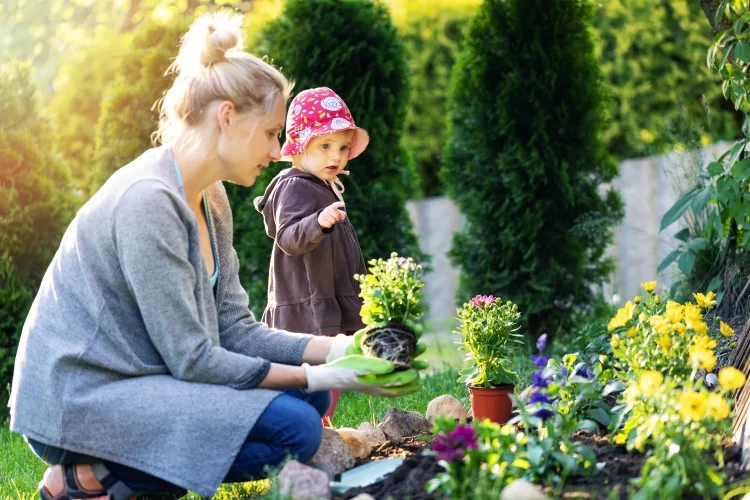
https://www.youtube.com/watch?v=dPpxZJwrpr8We'll start by drawing the background. Draw three horizontal lines, one on top of the other, and color them green. Now we will create our garden with two vertical rows... [read more]
How to Keep Animals Out of Garden
The best way to keep animals out of your garden is to build a fence. However, this may not be an option for some people as it can be difficult and expensive. Fortunately, there are other methods that you can us... [read more]
How to Garden in Sims 4

Recently, the sims 4 released a new expansion pack: Get to Work. This expansion pack has many features and gameplay mechanics that make gardening much easier and more fun in the sims 4! The first feature is tha... [read more]
How Often Should I Water My Garden
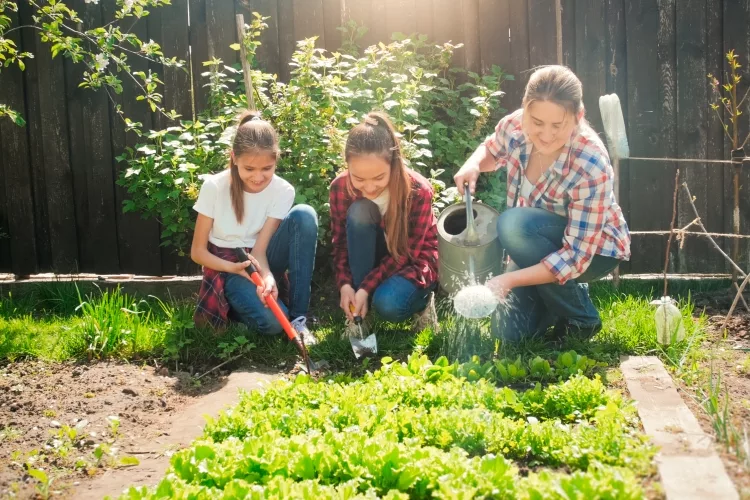
The first thing you need to know about how often to water your garden is the type of soil it has. The next question you should ask yourself is what season it is. If it's been a hot summer, then watering more of... [read more]
How Does Your Garden Grow

A garden can be a place of life and relaxation. It is the perfect place to plant your ideas and watch them grow. If you're not sure where to start, ask yourself these questions: What do I want my garden to look... [read more]
How to Build a Cheap Hydroponic System
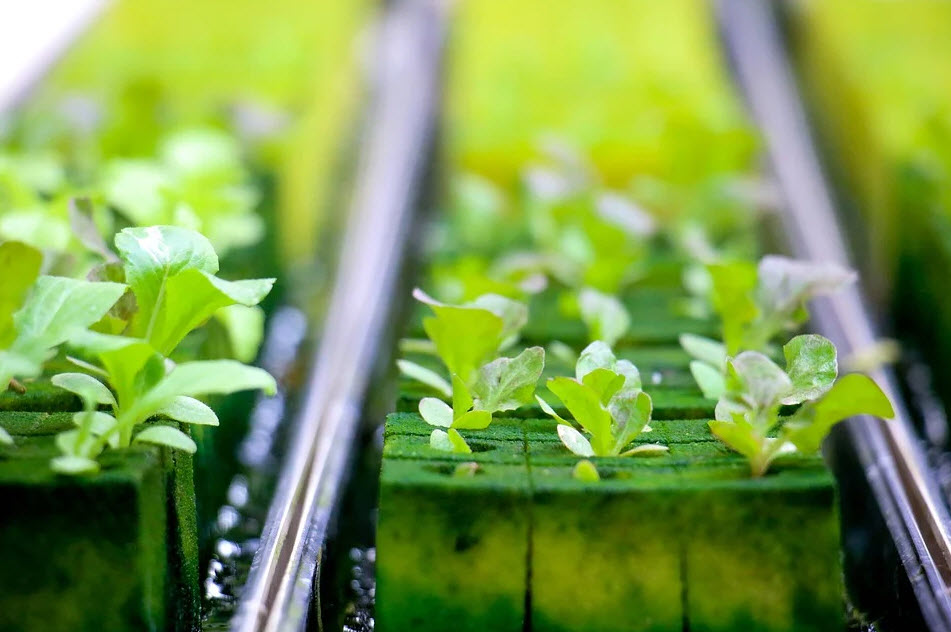
How to Build Cheap Systems Using Hydroponic Planters & Buckets Systems using hydroponic planters and a bucket can work very well with many types of plants and they’re often preferred by inexperienced gardeners, since they’re cheap and they leave a lot of ... [read more]
Is PVC Safe for Hydroponics?
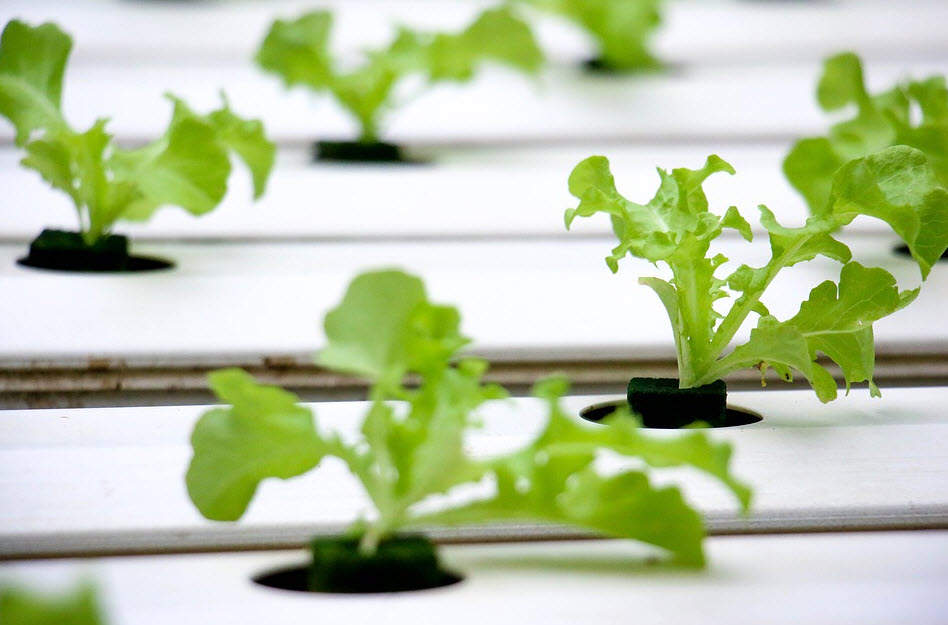
There are different types of PVC that are available. Some of them are not suited to use with a hydroponic system. The two that are safe for a hydroponic garden are (uPVC or Rigid PVC). It is essential to know which types of PVC materials are well-suited t... [read more]
Grow Light Glossary – The Terms You MUST Know!
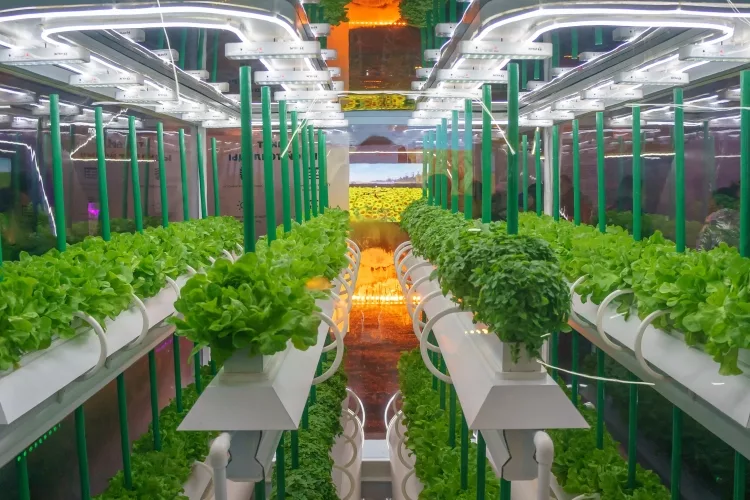
The Ultimate Grow Light Glossary & Terms List AMPERE (AMP): The unit used to measure the strength of an electric current. ARC: The luminous discharge of electricity between two electrodes in H.I.D. lighting. ARC TUBE: The enclosure which contains the lumi... [read more]
DIY Hydroponic Bucket System – SO EASY!!!
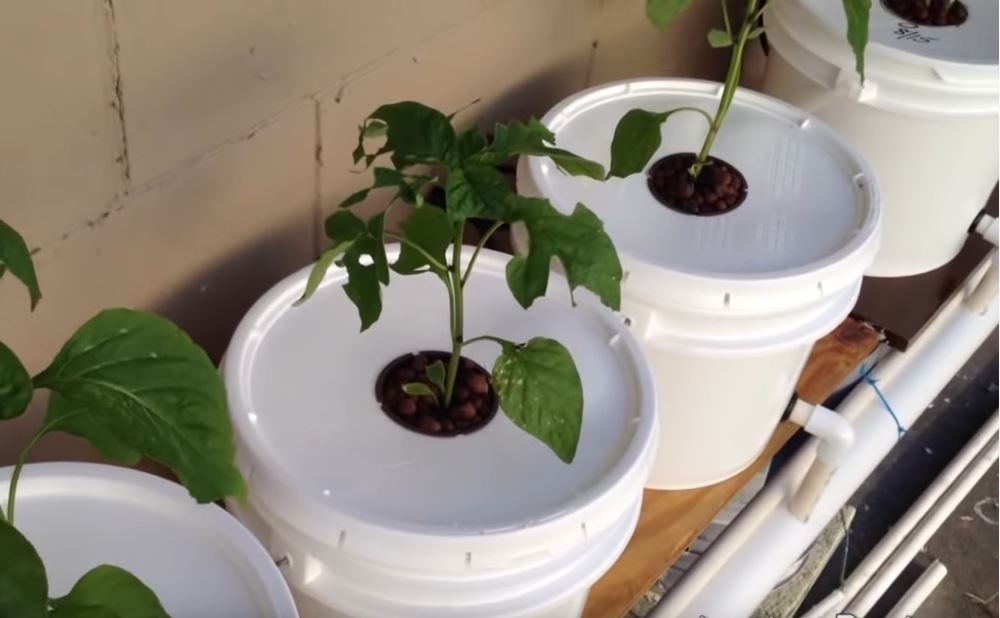
How to Make a 5 Gallon Pail Hydroponic System Ever thought of building your own hydroponic system, but cash was always a problem? No worries, this article will show you how to make a 5 gallon pail hydroponic system from scratch, with minimum costs. If you... [read more]
Building a Raft Hydroponic System
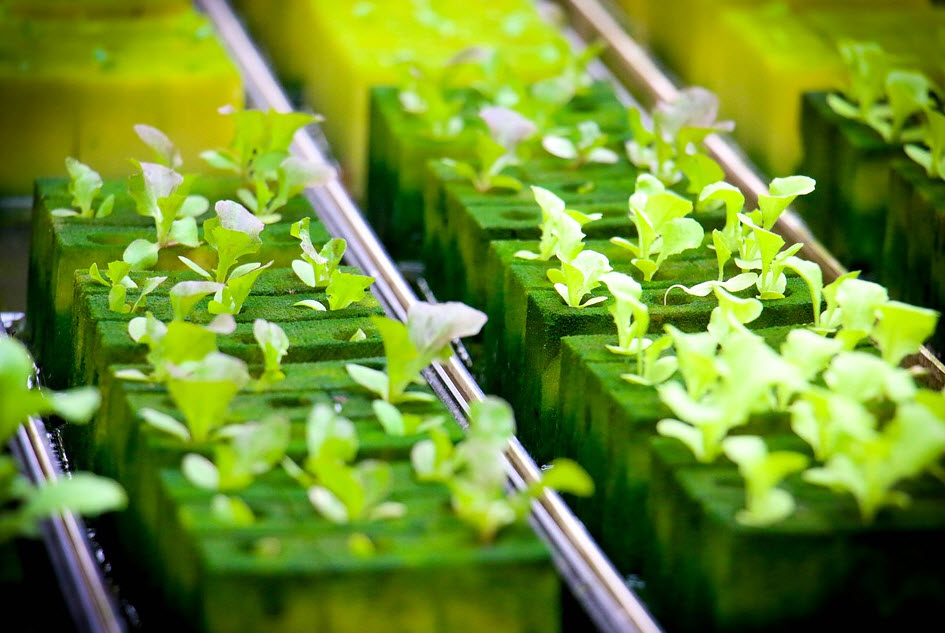
The raft hydroponic system is a favorite amongst newcomers to the soilless plant growing, because they’re fun to build, they’re cheap and efficient at the same time. Follow the instructions on building a raft hydroponic system in the article below to find... [read more]
Hydroponics Tips