How to Build a Cheap Hydroponic System
by Kevin
Systems using hydroponic planters and a bucket can work very well with many types of plants and they're often preferred by inexperienced gardeners, since they're cheap and they leave a lot of room for error. They're also very customizable, making them one of the top choices in today's hydroponic gardening and are one of the best hydroponic systems to start off with.
How to Build Cheap Systems Using Hydroponic Planters & Buckets
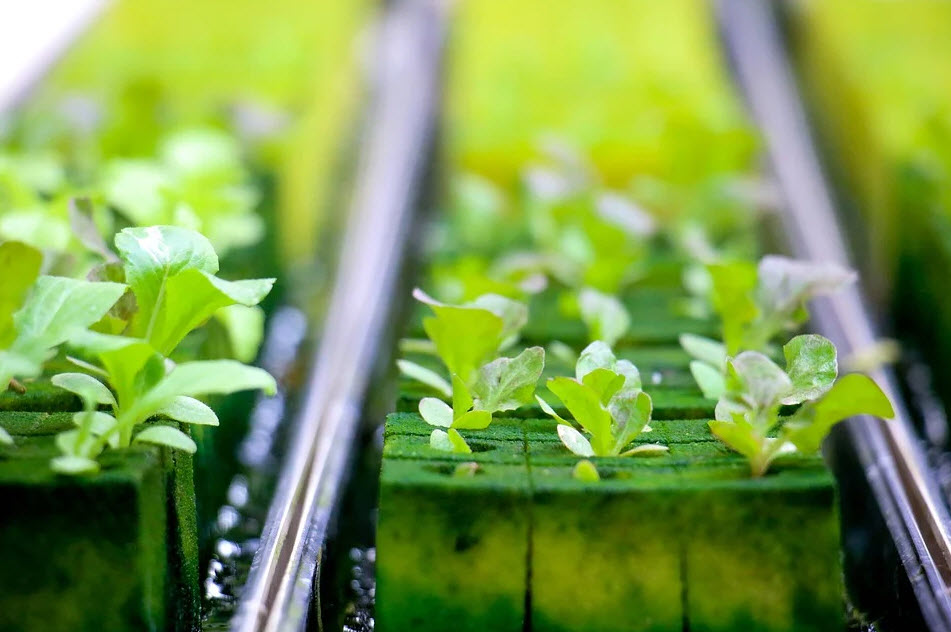
New to hydroponics? Don't worry, you don't have to start out your new hobby with a $1000 investment; you can easily create your very own, cheap system using hydroponic planters.
Admittedly, homemade hydroponic planters don't always have the same results that a quality system has, but they do offer a few great advantages:
- they're cheap
- they can be expanded easily, in case you need more plants using the same system
- they're low maintenance
- they don't require a lot of attention
- they work with all types of plants, small to large (but the size of your hydroponic planters will determine this of course)
- they're great for newbies
- they still work when you're an expert
Here's how a system based on hydroponic planters works: all you need is a central PVC manifold to hold everything together, a nutrient reservoir, a pump and some tubing to connect everything together.
And of course, you will need the hydroponic planters themselves, which can be either purchased or made, but I'd go with the purchase if you ask me; it saves you a lot of trouble in the long run and you're safer this way.
The hydroponic planters will also need to be filled with growth media, the most common being perlite, rockwool, coconut coir and vermiculite. Your choice of growing medium should be determined by your nutrient solution and the type of plant you're growing in the system.
You can just as easily grow plants from seeds or cuttings using a system based on hydroponic planters, the most common ones being small tomatoes, strawberries, herbs, flowers and spice plants. Lettuce and cucumbers aren't bad choices either, but anything larger than that might pose some trouble, as you'll have a hard time finding hydroponic planters that can hold these plants.
Some planters are self watering, making them even easier to use and more efficient. The fact that you don't need to use any pumps or timers to get these hydroponic planters going is a great advantage, but this obviously comes at a higher price.
Still, saving up that much space and time (and in the long run, you're probably saving money as well with the cutting down of power costs) might be worth it.
Using hydroponic planters instead of a compact system might not always be the best solution for a particular plant, but the level of customization that they allow and their ability to expand beyond their initial role is a great advantage that can be appreciated by a gardener that's just starting his work in the field, or by an expert that wants to grow his system as fast as he or she is growing the plants it holds.
Besides, if anything goes wrong and you can't support all your hydroponic planters, you can simply take some off and you can focus on the rest!
Check out some of the best Hydroponic Indoor Grow Kits
The Cheapest Build-Your-Own Hydroponic System
Usually, stuff that's cheap is not that efficient and stuff that's efficient isn't very cheap. A dilemma you'll be facing when building a hydroponic system. Fortunately, there are a few ways to save up on cash, both in the short and long runs and this article will let you in on the secrets of getting the cheapest build-your-own hydroponic system.
In order to build homemade hydroponic systems, you'll need to have saved up some cash beforehand, as they can often get rather pricey, especially if you're going to get them everything they need: hydroponic light systems, ph and nutrient controllers, humidifiers and so forth.
And if you're new in the field of DIY hydroponics, it's understandable that you would get a little spooked by rushing into building a system for the first time and spending so much money, without the guarantee that it will work like you're hoping it would.
That's completely normal, as is looking for the cheapest build-your-own hydroponic system on the market if you're still inexperienced with them.
Money-Savers - Free Hydroponics Plans
One of the first things you'll need to start off your homemade hydroponic system is a plan to build it on. You could either go out and buy a plan at a store, or shop for one online, but you should also know that there are several websites out there that offer free hydroponics plans including ours.
They might not be as complete or as accurate as the plans you would get from a store, but they're definitely worth it for the price cut. And some are actually quite well designed.
Money-Savers - Components
You can purchase some of the components from your local store (Home Depot, Walmart, etc) or order them online from a hydroponics store.
In order to get the cheapest build-your-own hydroponic system, you will want to reduce your components cost. There are two ways you can do this: you can either replace some of the components that come on the price list with cheaper versions, such as getting a less powerful water pump, going for some normal glow lights instead of that expensive high intensity discharge metal halide lamp and so forth.
Your second option would be to buy the right components, but at used states. Personally, I would recommend against replacing some components with cheaper versions, mainly because a homemade hydroponic system is usually based on a "component check" rule that only allows it to run properly if certain components satisfy the other components needs and vice versa.
For example, in a DIY ebb and flow system, if you buy a water pump that is too weak to flood the plant tray in time, even the small amount of water going in will drain back to the nutrient tank and your plants will have barely absorbed any water and nutrients in the process. That's why it's important to try and get the best ebb and flow system you can afford whether you purchase it or build it yourself.
Money-Savers - Long Run Components
There are certain components that might not make your cheapest build-your-own hydroponic system all that cheap from day one, but in the long run could save you quite some money.
One such example would be hydroponic led lights, which are equally efficient as High Intensity Discharge lights for small hydroponic systems, but they're a lot less power hungry, so they could save you a few numbers off that bill.
PH and nutrient meters are also an early investment that can save you cash later on.
Plants will depend heavily on the level of PH and nutrients in the solution you use to feed them and if they don't get a good PH balance or the right amount of nutrients, they will simply stop growing, rendering your entire homemade hydroponic system useless. By using a PH/nutrient meter, you can keep your plants happy at all times, thus saving your money in the long run.

About Kevin
Thoughts on "How to Build a Cheap Hydroponic System"
 |
 |
 |
 |


Hydroponics Tips